Introduction
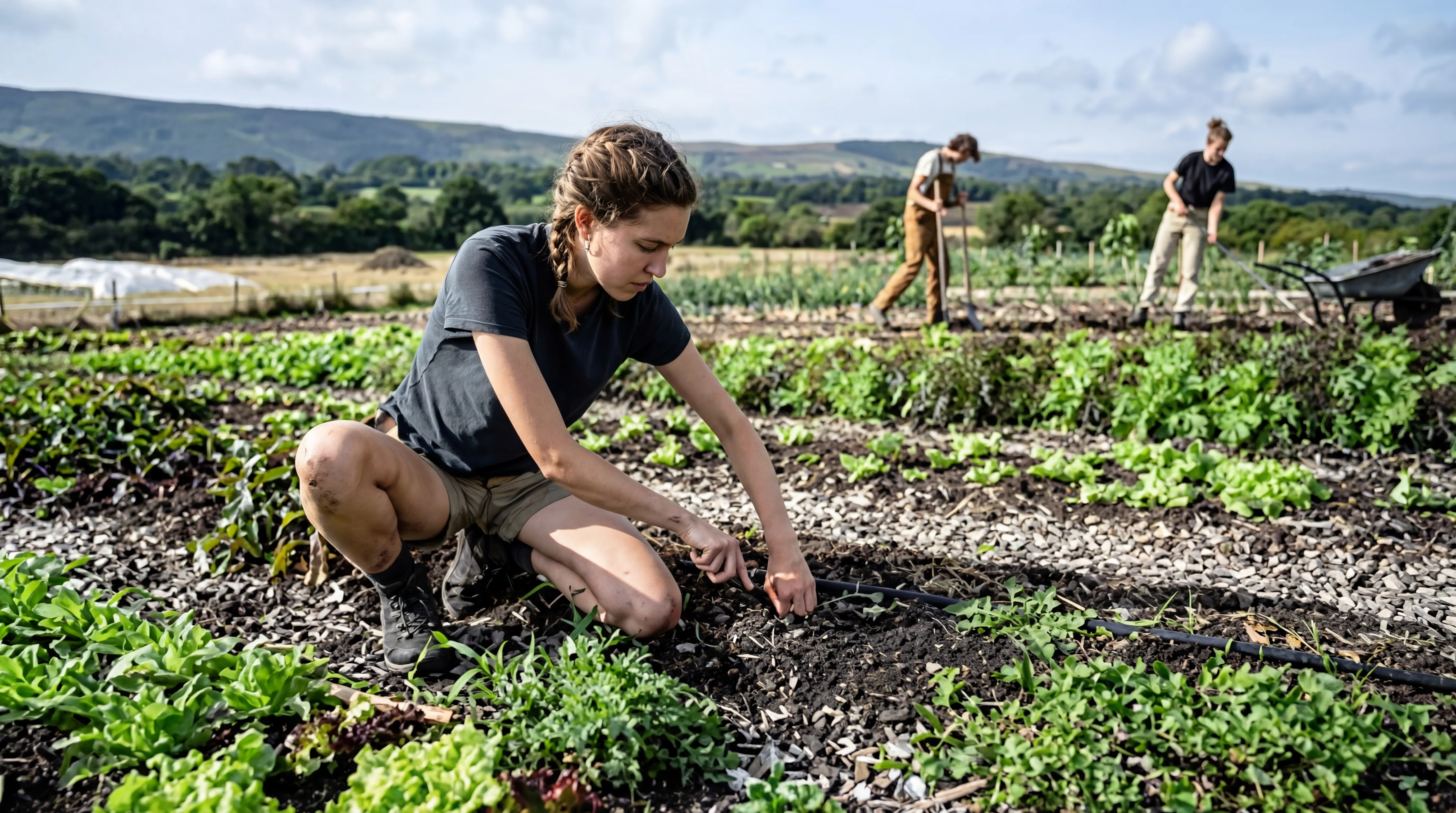
Agriculture ecosystems are human-made ecosystems designed to cultivate crops and raise animals for food, fiber, and other products. They can range from small backyard gardens to large industrial farms. Agriculture ecosystems are vital to our society as they provide us with the food we need to survive and thrive.
Types of Farming
There are many different types of farming, each with its unique characteristics and challenges. Some of the most common types of farming include traditional farming, organic farming, hydroponics, aquaponics, and vertical farming. Traditional farming involves planting crops directly in the soil, while organic farming relies on natural methods to maintain soil fertility and manage pests. Hydroponics and aquaponics are methods of growing plants without soil, using water and nutrients instead. Vertical farming involves growing crops in stacked layers, often using artificial lighting.
Soil Management
Soil management is critical to the success of any agriculture ecosystem. Farmers must maintain the health and fertility of the soil to ensure that their crops grow properly. Soil management techniques include crop rotation, cover cropping, and the use of fertilizers and compost. Farmers must also be careful not to overuse the soil, as this can lead to soil erosion and depletion of nutrients.
Pest Management
Managing pests is another critical aspect of agriculture ecosystems. Pests can destroy crops and reduce yields, so farmers must take steps to control them. This can include using natural methods such as crop rotation, planting companion crops, and releasing beneficial insects. Chemical pesticides can also be used, but farmers must be careful to use them responsibly and avoid harm to the environment.
Sustainable Agriculture
Sustainable agriculture is an approach to farming that aims to produce food while minimizing the negative impact on the environment. Sustainable agriculture techniques include using natural methods to maintain soil fertility, reducing the use of pesticides and fertilizers, and using water and other resources efficiently. Sustainable agriculture also focuses on preserving biodiversity and protecting the health of ecosystems.
Conclusion
Agriculture ecosystems are essential to our society, providing us with the food we need to survive and thrive. By understanding the different types of farming, soil management techniques, pest management strategies, and sustainable agriculture practices, we can work towards creating more efficient and environmentally friendly agriculture ecosystems.