Introduction
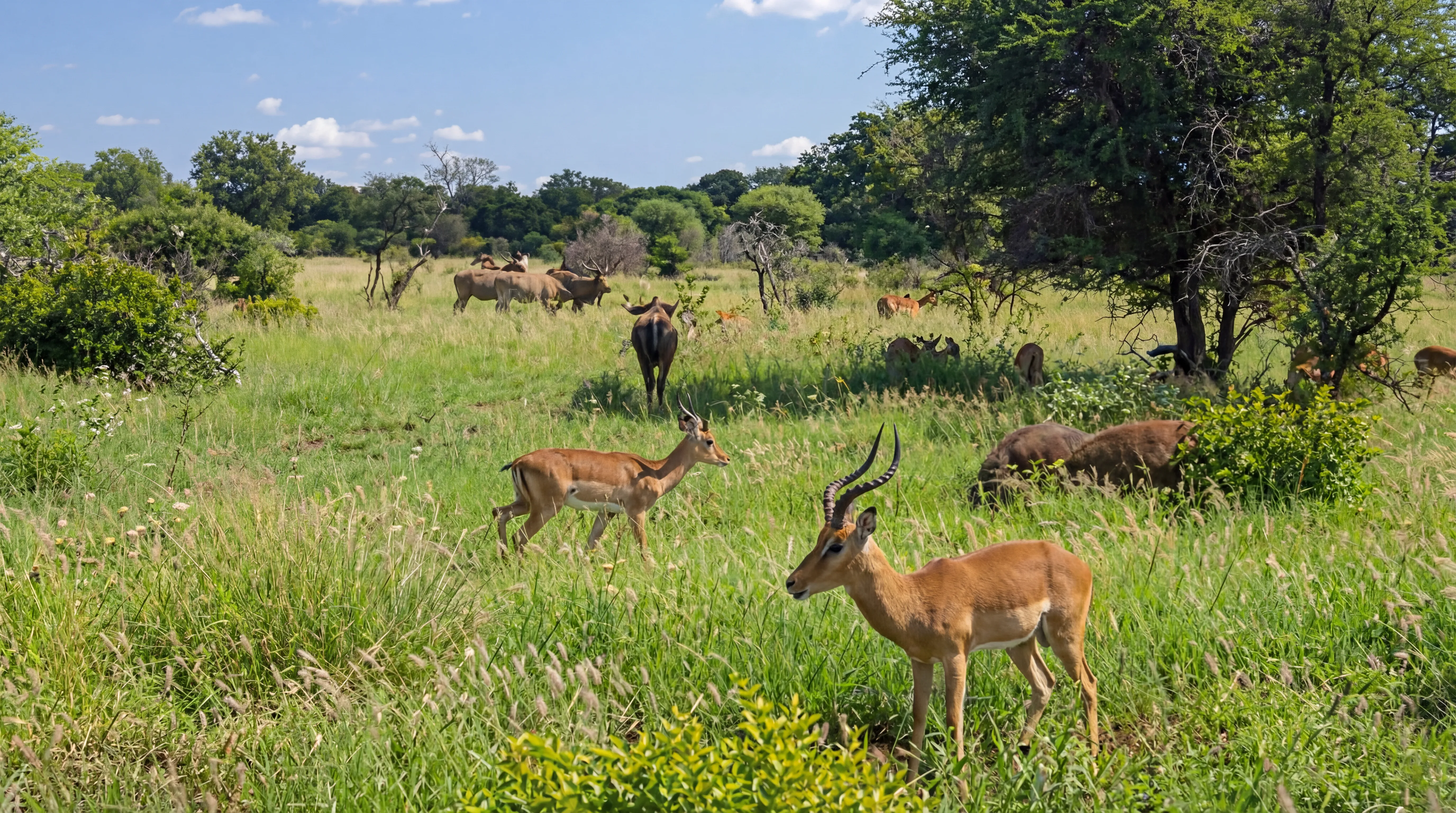
Grasslands are vast open spaces that are dominated by grasses and have few trees. They cover approximately one-quarter of the Earth's land surface and can be found on every continent except Antarctica.
Climate
The climate of grasslands is typically characterized by hot summers and cold winters, with an annual rainfall between 10 and 30 inches. The soils are deep and rich in nutrients, making them ideal for growing grasses.
Flora
The grasses in a grassland ecosystem are typically divided into two categories: short grasses and tall grasses. Short grasses include buffalo grass, blue grama, and western wheatgrass, while tall grasses include big bluestem, Indian grass, and switchgrass. In addition to grasses, many types of wildflowers, herbs, and shrubs also grow in grasslands.
Fauna
Grasslands support a diverse array of wildlife, including large grazing animals like bison, elk, and pronghorn antelope. Smaller mammals like prairie dogs and ground squirrels also make their homes in grasslands. Birds like meadowlarks, prairie chickens, and hawks are common, and many types of insects thrive in grasslands as well.
Human Impact
Human activities have had a significant impact on grasslands. Conversion of grasslands to agricultural land has led to the loss of native grasses and the decline of many species that depend on them. Overgrazing by livestock has also been a major issue, leading to soil erosion and the degradation of grasslands.
Conservation
Efforts to conserve grasslands include the establishment of protected areas, the restoration of degraded grasslands, and the promotion of sustainable grazing practices. Many organizations are working to raise awareness about the importance of grasslands and the need to protect them for future generations.
Importance of the Grassland Ecosystem
Grasslands are vital for global biodiversity and serve as important carbon sinks that help mitigate climate change. They provide grazing land for livestock production, support agricultural productivity, and help prevent soil erosion with their deep root systems. Grasslands also play a crucial role in water filtration and nutrient cycling.
Fun Facts about the Grassland Ecosystem
- Grasslands can support massive animal migrations, such as the annual wildebeest migration in the Serengeti involving over a million animals.
- Prairie soils are among the richest in the world due to centuries of decomposing plant material.
- Some grassland species can survive extreme temperatures ranging from -40°C to 60°C.
Conclusion
Grassland ecosystems are vital to the health of our planet, providing habitat for a wide variety of species and supporting important ecological processes. By understanding the importance of grasslands and taking steps to protect them, we can help ensure that these ecosystems continue to thrive for generations to come.