Introduction
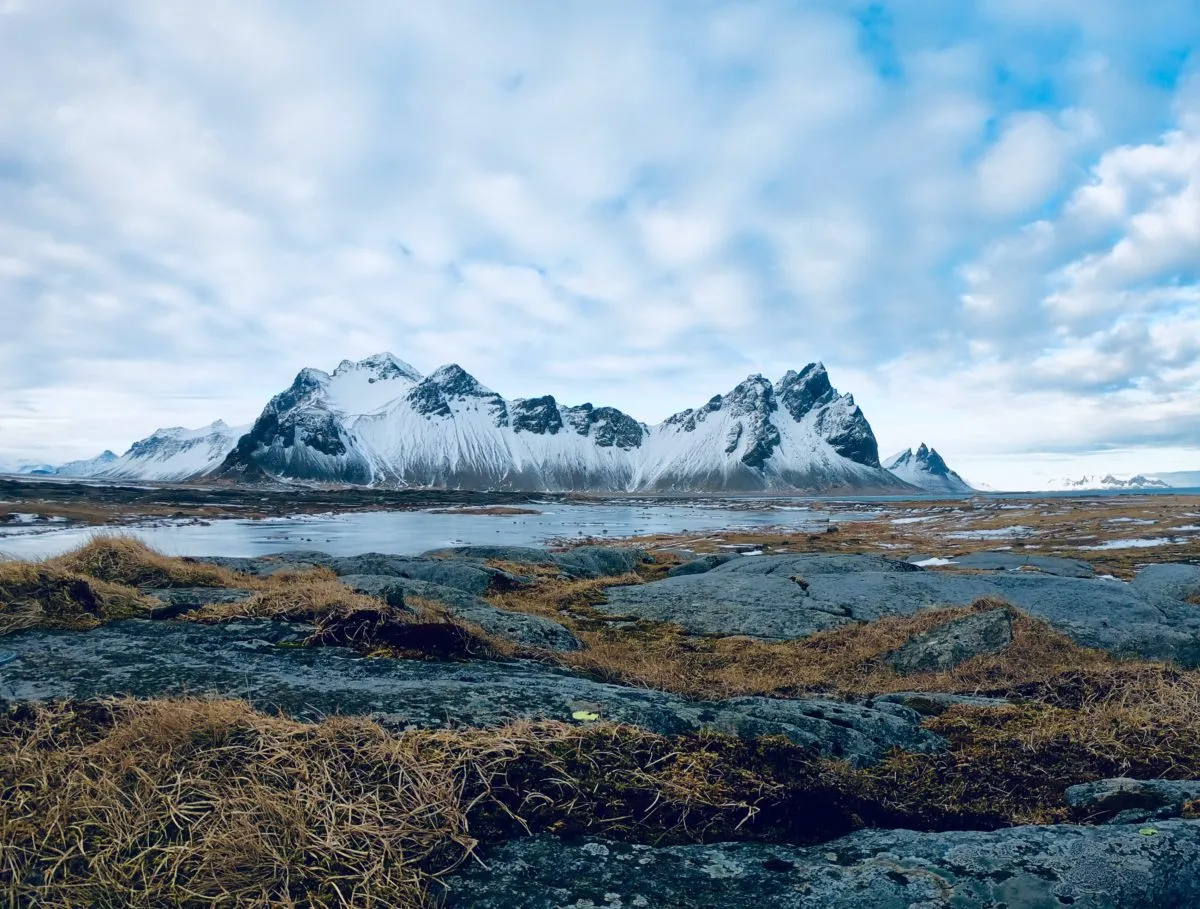
The tundra ecosystem is a vast, treeless region that spans across the northernmost parts of the world, including parts of Alaska, Canada, Russia, and Scandinavia.
Climate of Tundra Ecosystem
The tundra has a cold and harsh climate, with long winters and short summers. The average temperature is below freezing for most of the year.
Flora
Despite the challenging conditions, the tundra is home to a variety of plants adapted to the environment, including mosses, lichens, and dwarf shrubs.
Fauna
The tundra is also home to a variety of animals, including caribou, musk oxen, arctic foxes, and polar bears. Many of these animals have special adaptations to help them survive in the cold climate.
Threats to Tundra Ecosystem
The tundra ecosystem is facing a number of threats, including climate change, oil and gas exploration, and overgrazing by reindeer and other animals.
Conservation Efforts
There are several conservation efforts underway to protect the tundra ecosystem, including efforts to reduce greenhouse gas emissions and protect areas from development.
Importance of the Tundra Ecosystem
The tundra ecosystem plays a crucial role in regulating the Earth's climate and is home to a unique array of plants and animals. It is important to protect this fragile ecosystem for future generations.
Fun Facts about the Tundra Ecosystem
- The tundra is the coldest of all the Earth's ecosystems.
- The tundra is home to the largest land carnivore, the polar bear.
- The tundra is one of the most fragile ecosystems on Earth, and it can take decades for it to recover from damage.
Conclusion
The tundra ecosystem is a unique and fragile environment that is facing a number of threats. It is important to protect this ecosystem for the benefit of future generations and the health of the planet.