Introduction
Polar ecosystems are found in the extreme northern and southern regions of the Earth, including the Arctic and Antarctica. These ecosystems are defined by freezing temperatures, ice-covered landscapes, and extreme seasonal variations in sunlight.
Climate of Polar Ecosystem
Polar regions experience extremely cold temperatures throughout the year. Winters are long and dark, while summers are short and cool. Snow and ice dominate the landscape, and strong winds are common.
Flora
Plant life in polar ecosystems is limited due to harsh conditions. Mosses, lichens, algae, and a few small flowering plants grow during the short summer season, mainly in ice-free areas.
Fauna
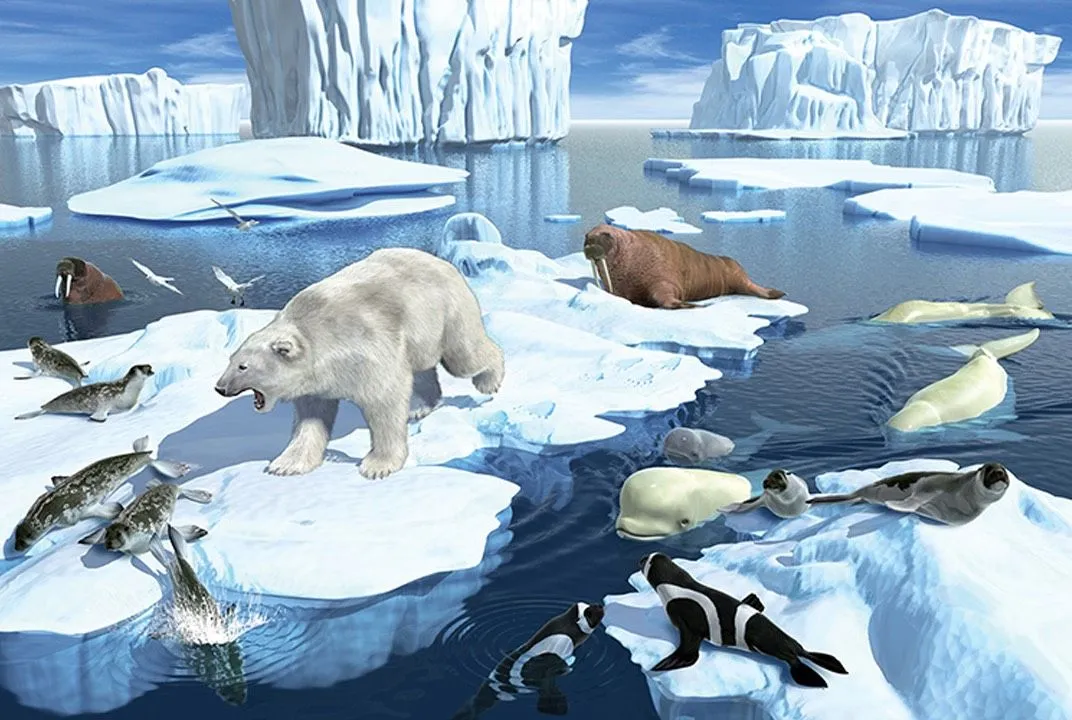
Polar ecosystems are home to animals specially adapted to extreme cold. These include polar bears, penguins, seals, walruses, Arctic foxes, and various species of seabirds.
Threats to Polar Ecosystem
Climate change is the biggest threat to polar ecosystems. Melting ice, rising sea levels, pollution, and human activities such as oil exploration are disrupting fragile polar habitats.
Conservation Efforts
Conservation measures include international treaties, wildlife protection laws, climate change mitigation, and scientific research aimed at monitoring polar environments and biodiversity.
Importance of the Polar Ecosystem
Polar ecosystems play a crucial role in regulating Earth’s climate by reflecting sunlight and influencing ocean currents. They are also indicators of global climate change.
Fun Facts about the Polar Ecosystem
- Antarctica is the coldest place on Earth.
- Polar bears live only in the Arctic, not Antarctica.
- Some polar animals can survive temperatures below −50°C.
Conclusion
Polar ecosystems are among the most fragile environments on Earth. Protecting them is essential for maintaining climate balance and preserving unique wildlife for future generations.