Terrestrial Ecosystems [Land-Based]
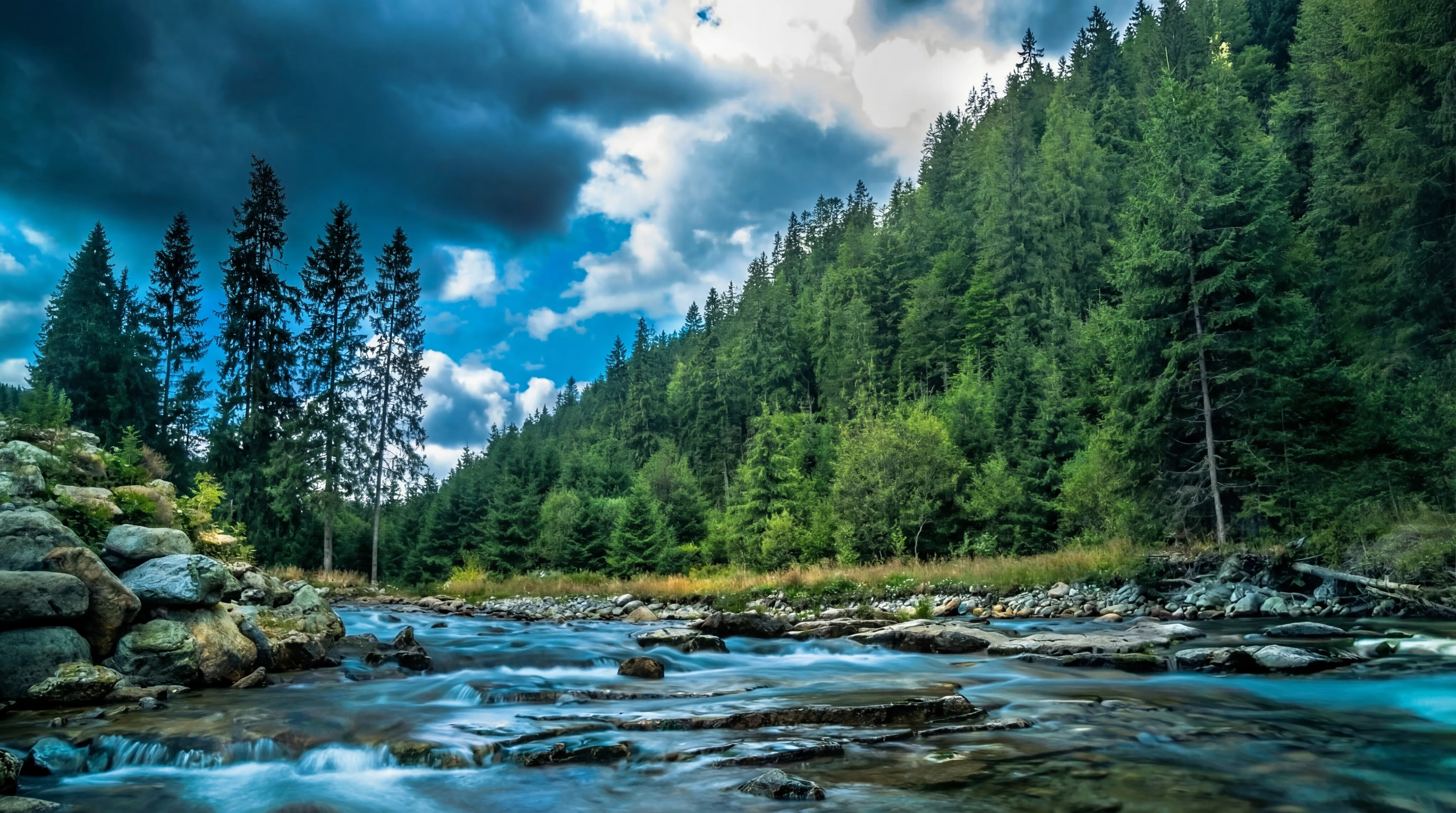
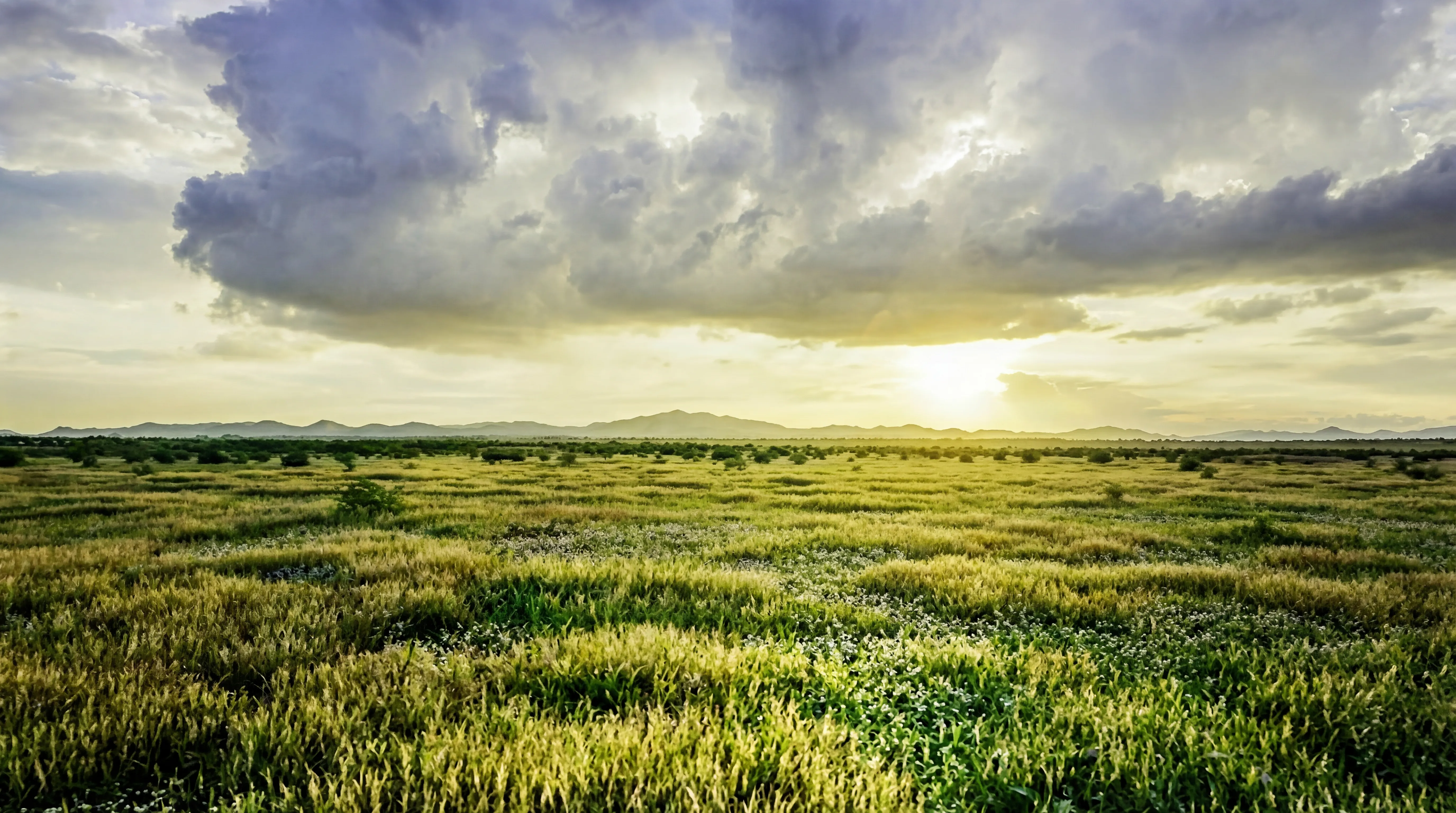
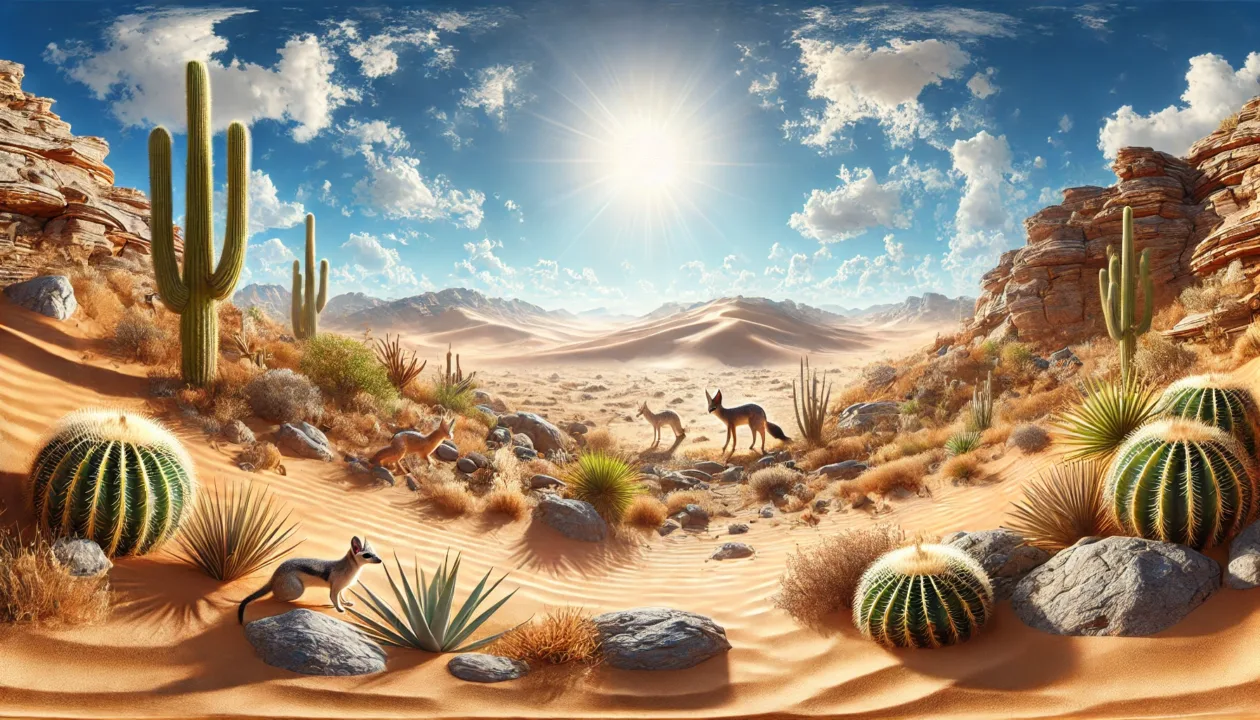
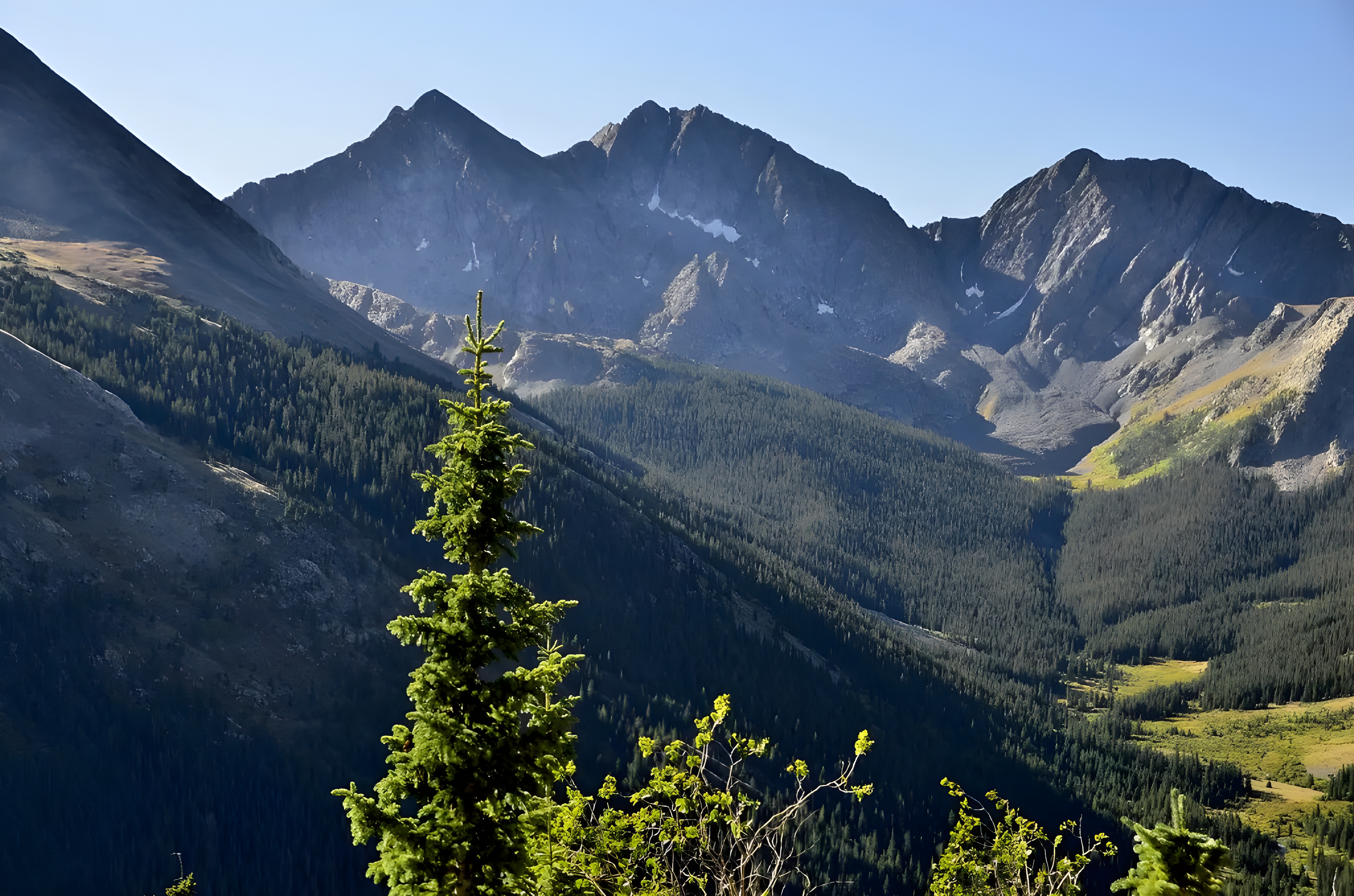
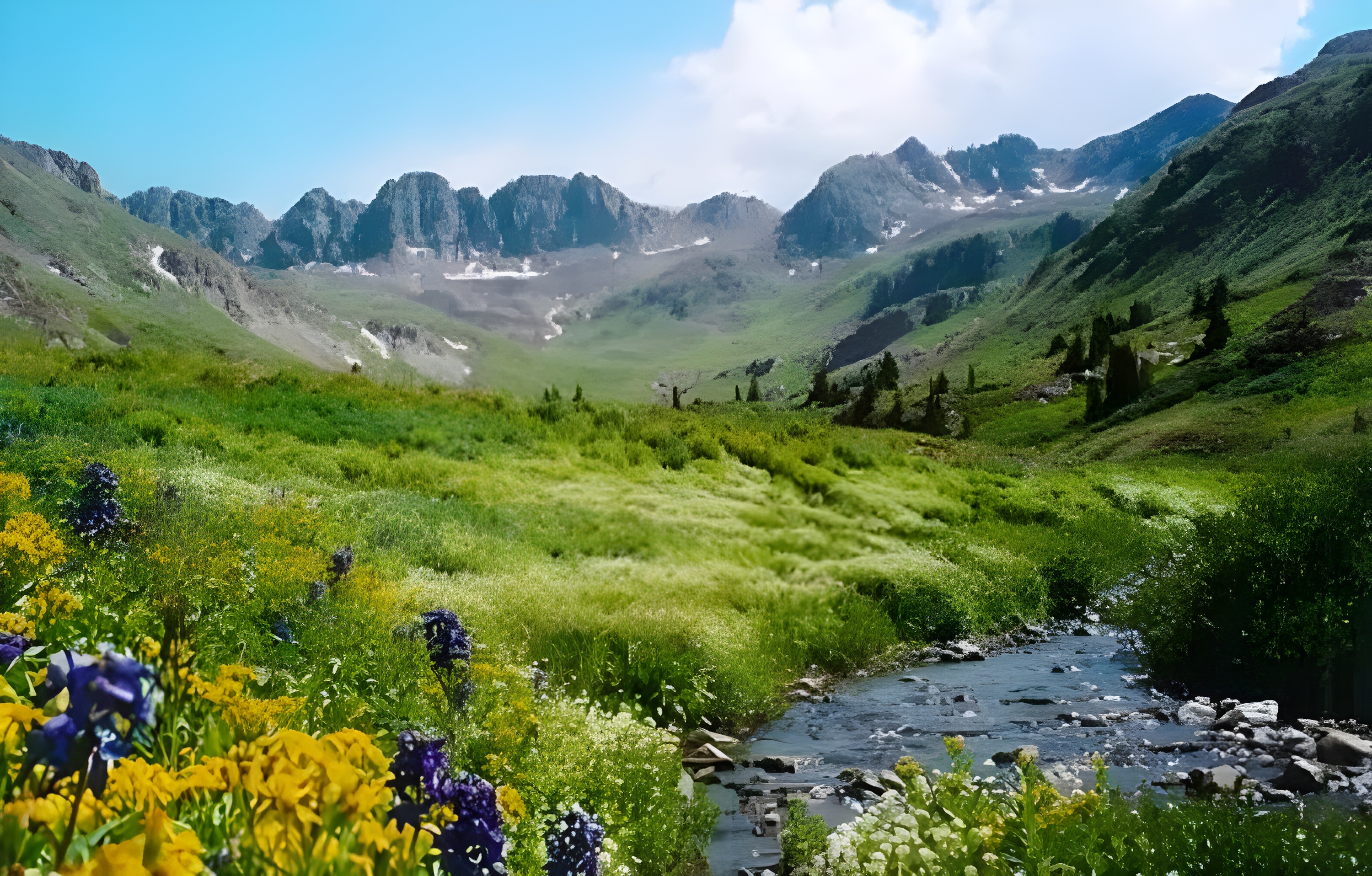
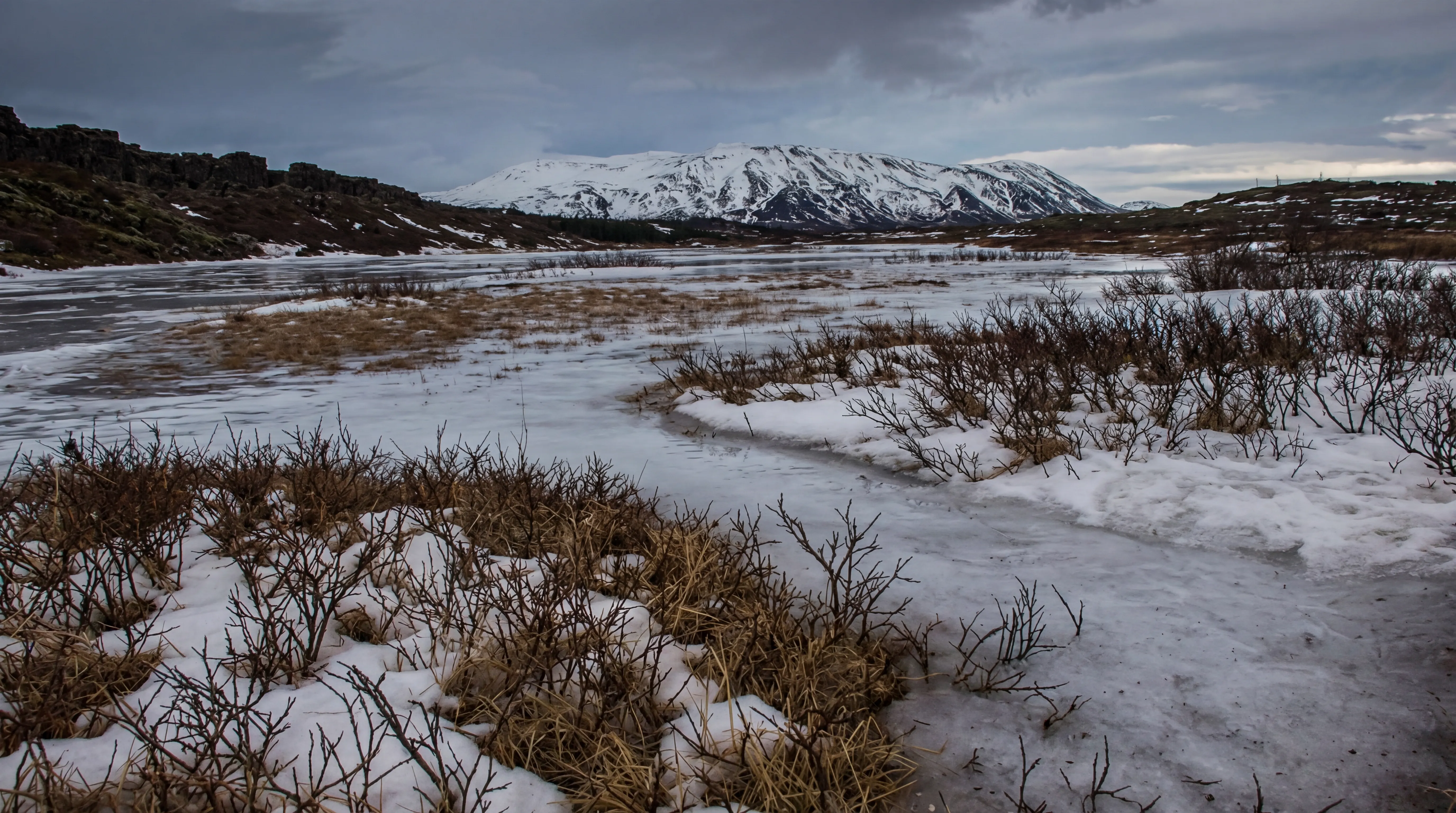
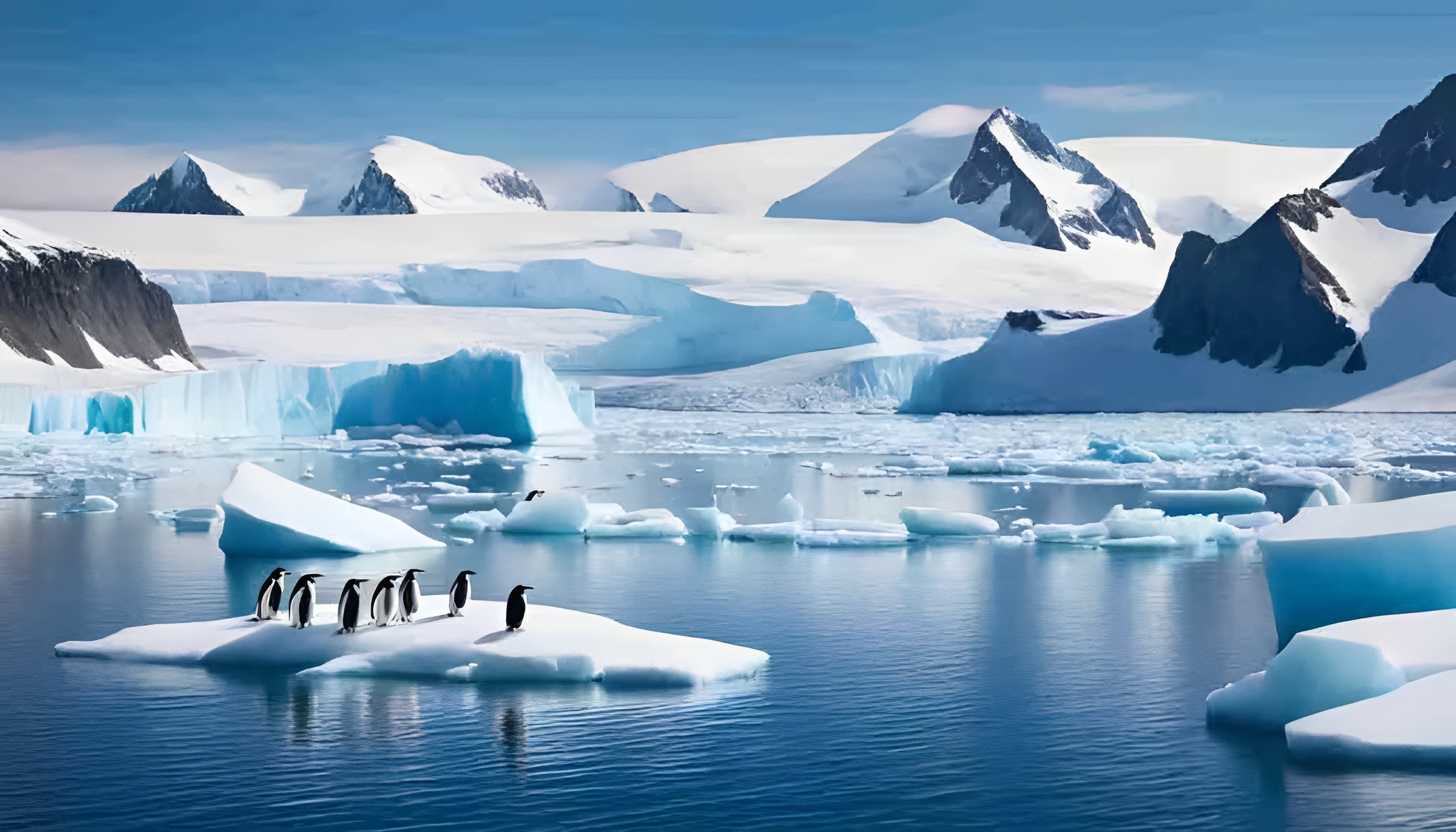
Terrestrial ecosystems are land-based ecosystems that include various types of forests, grasslands, deserts, tundra, and more. These ecosystems are home to a wide variety of flora and fauna, and their composition and diversity depend on factors such as climate, soil type, and topography.
Aquatic Ecosystems [Water-Based]
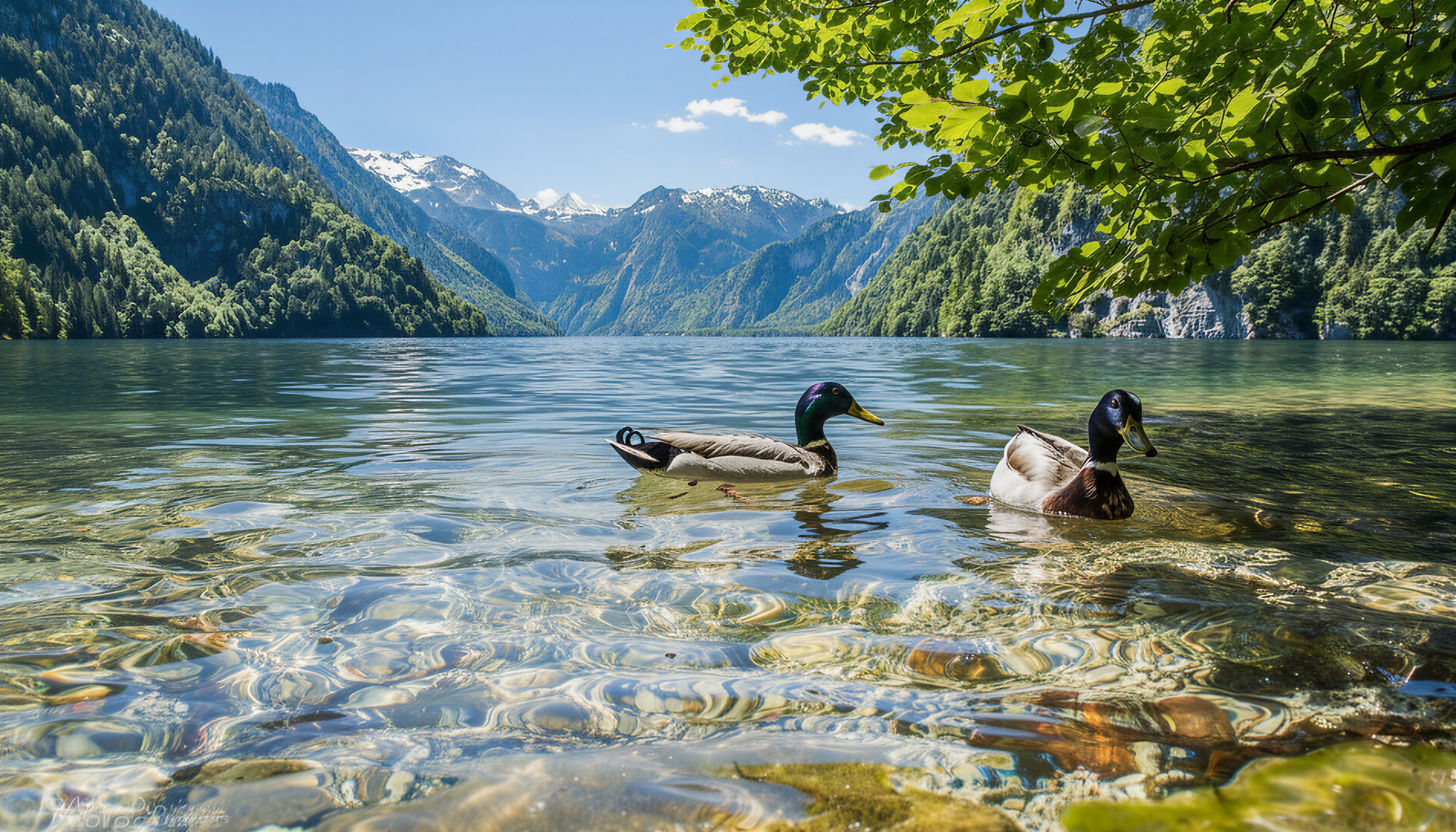
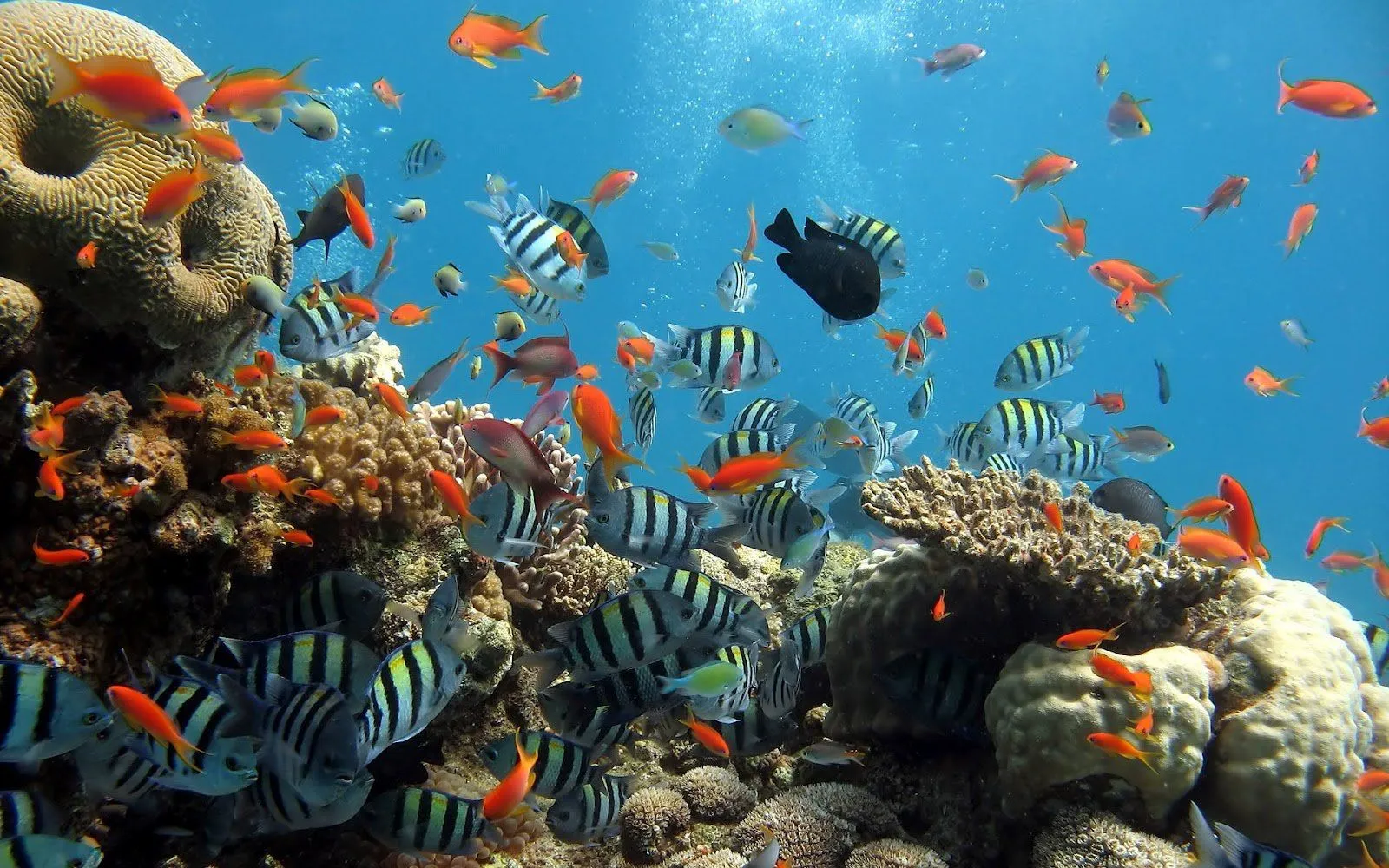
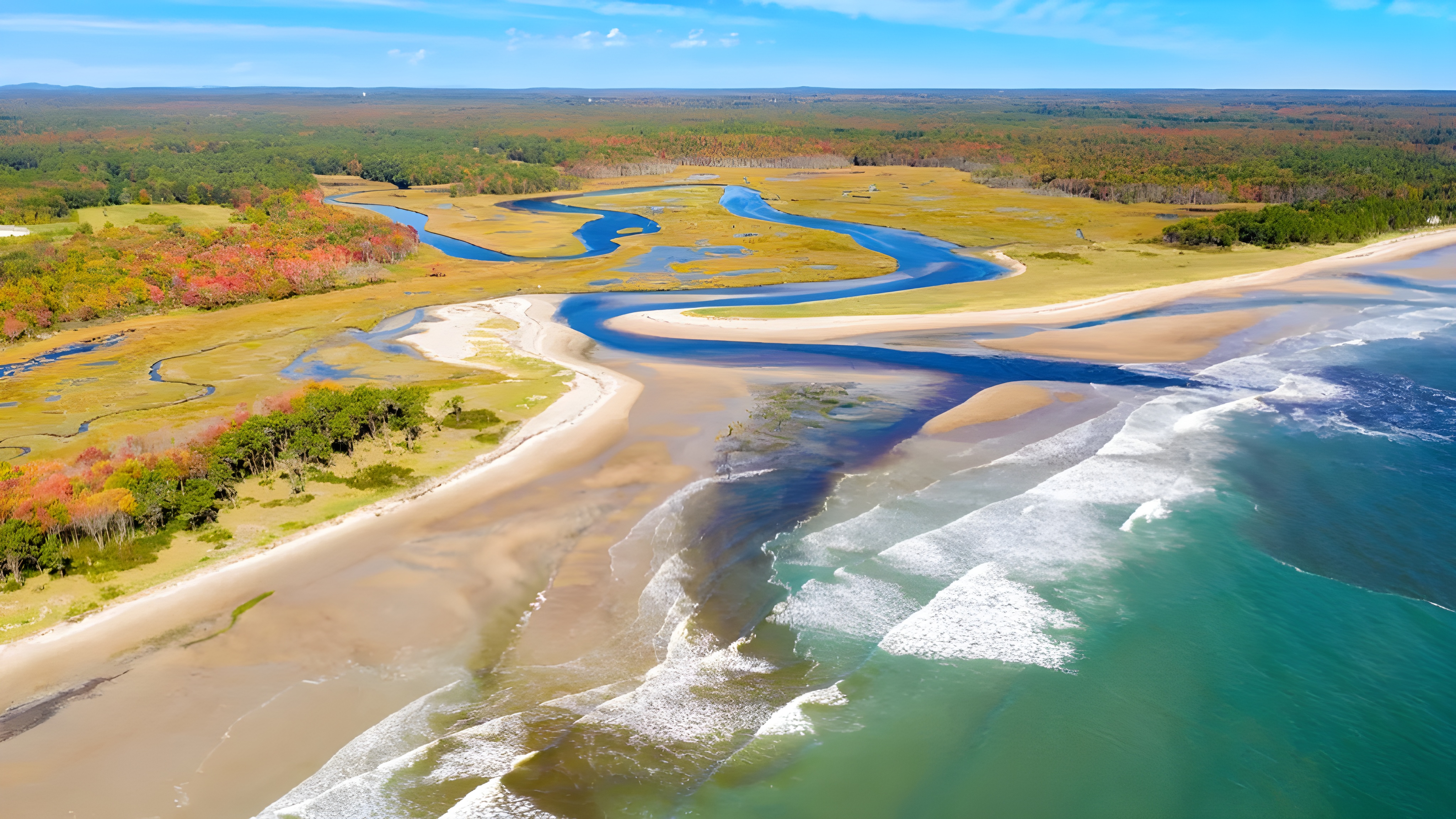
Aquatic ecosystems include a range of freshwater and marine ecosystems, such as lakes, rivers, wetlands, estuaries, coral reefs, and the open ocean. These ecosystems support a diverse array of aquatic life, including fish, invertebrates, and various types of algae and plants.
Human-made Ecosystems [Anthropogenic]
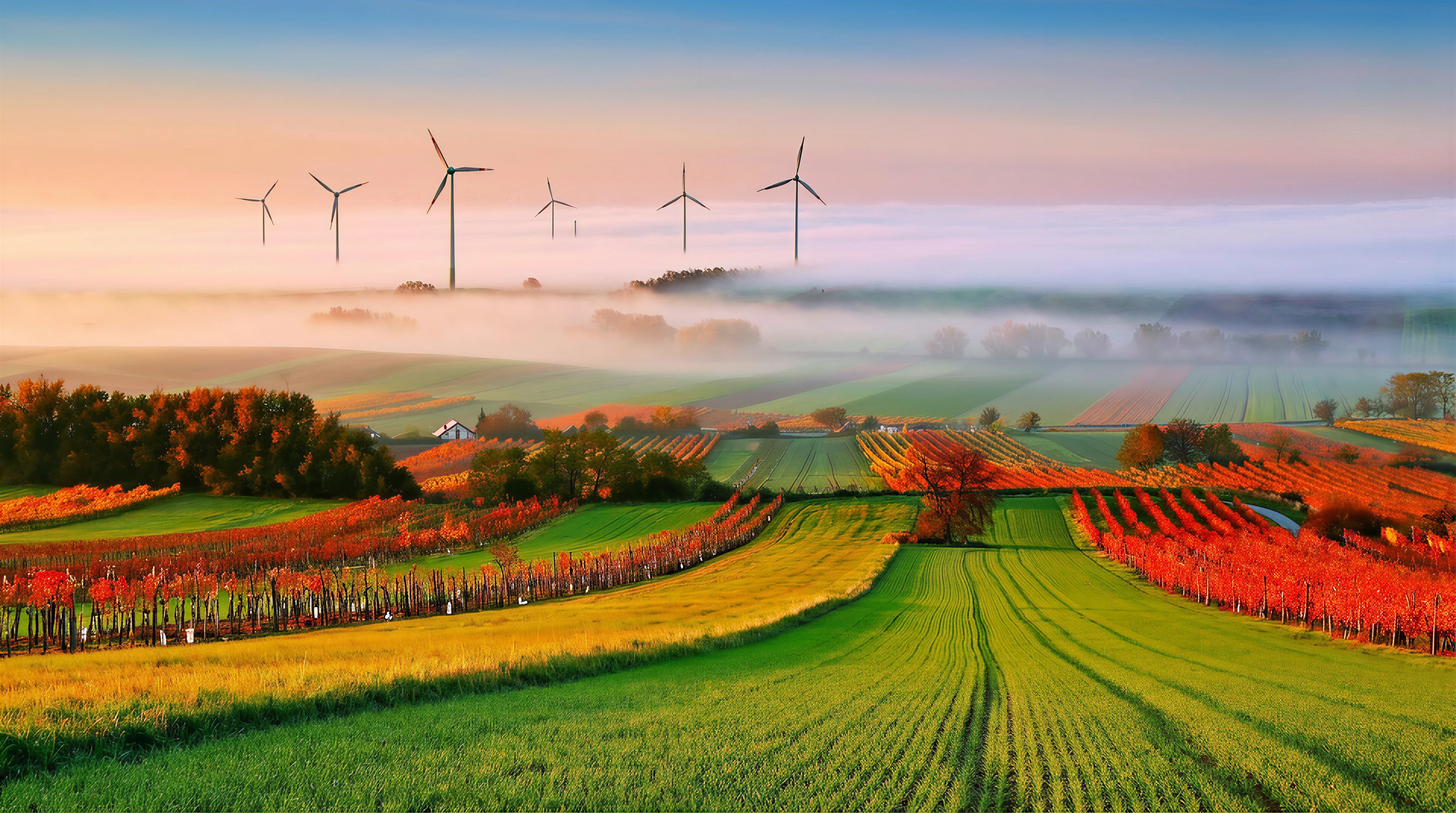
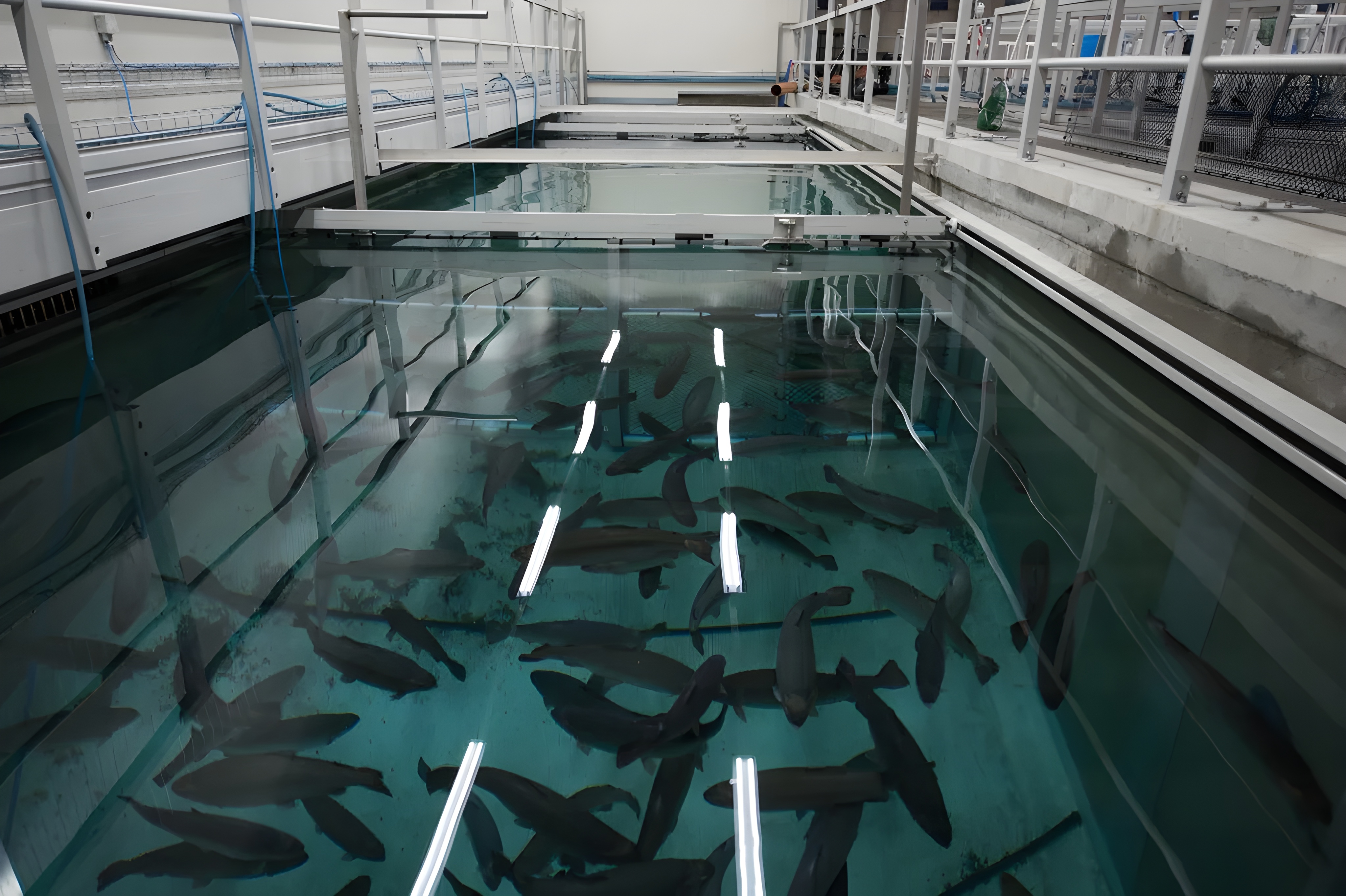
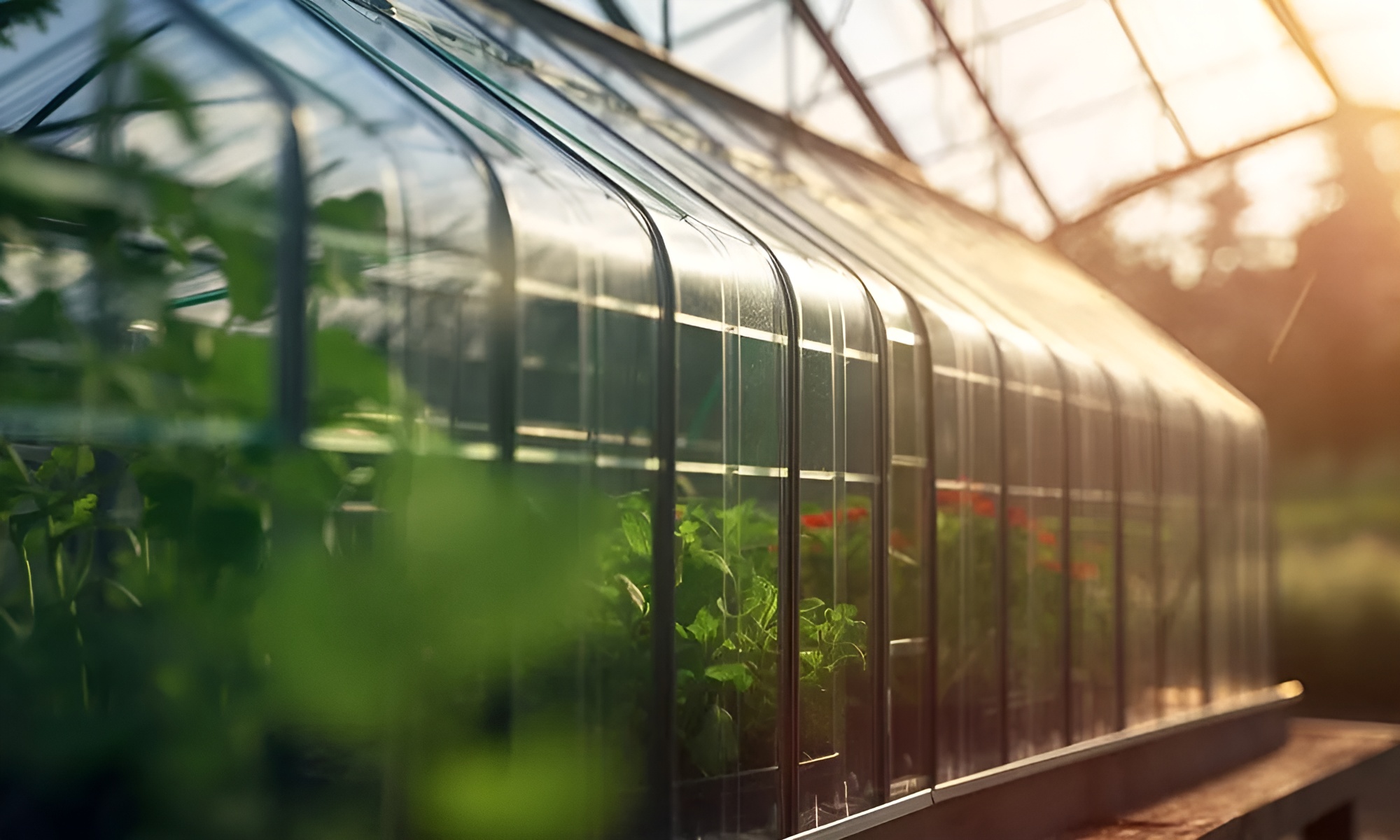
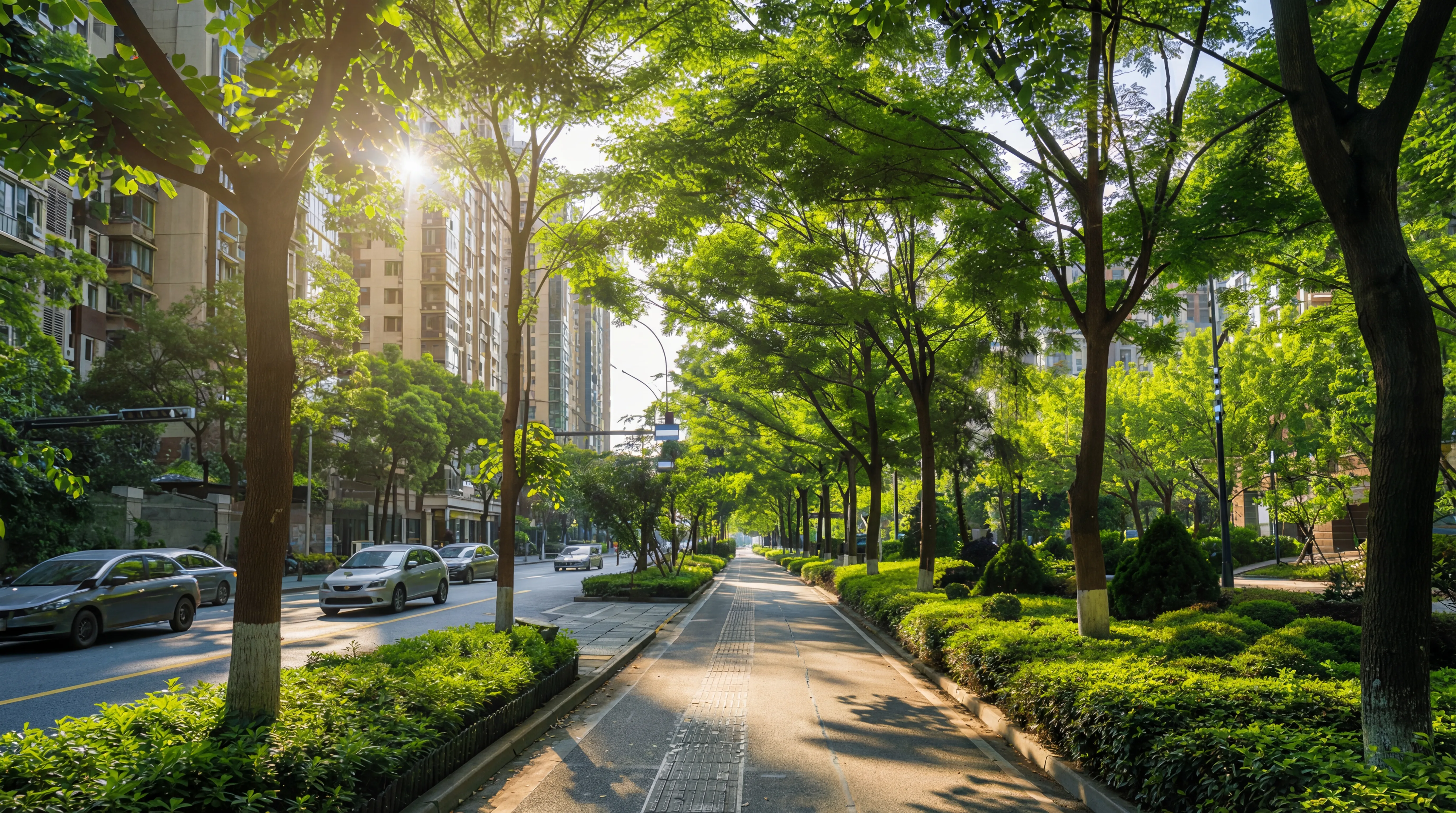
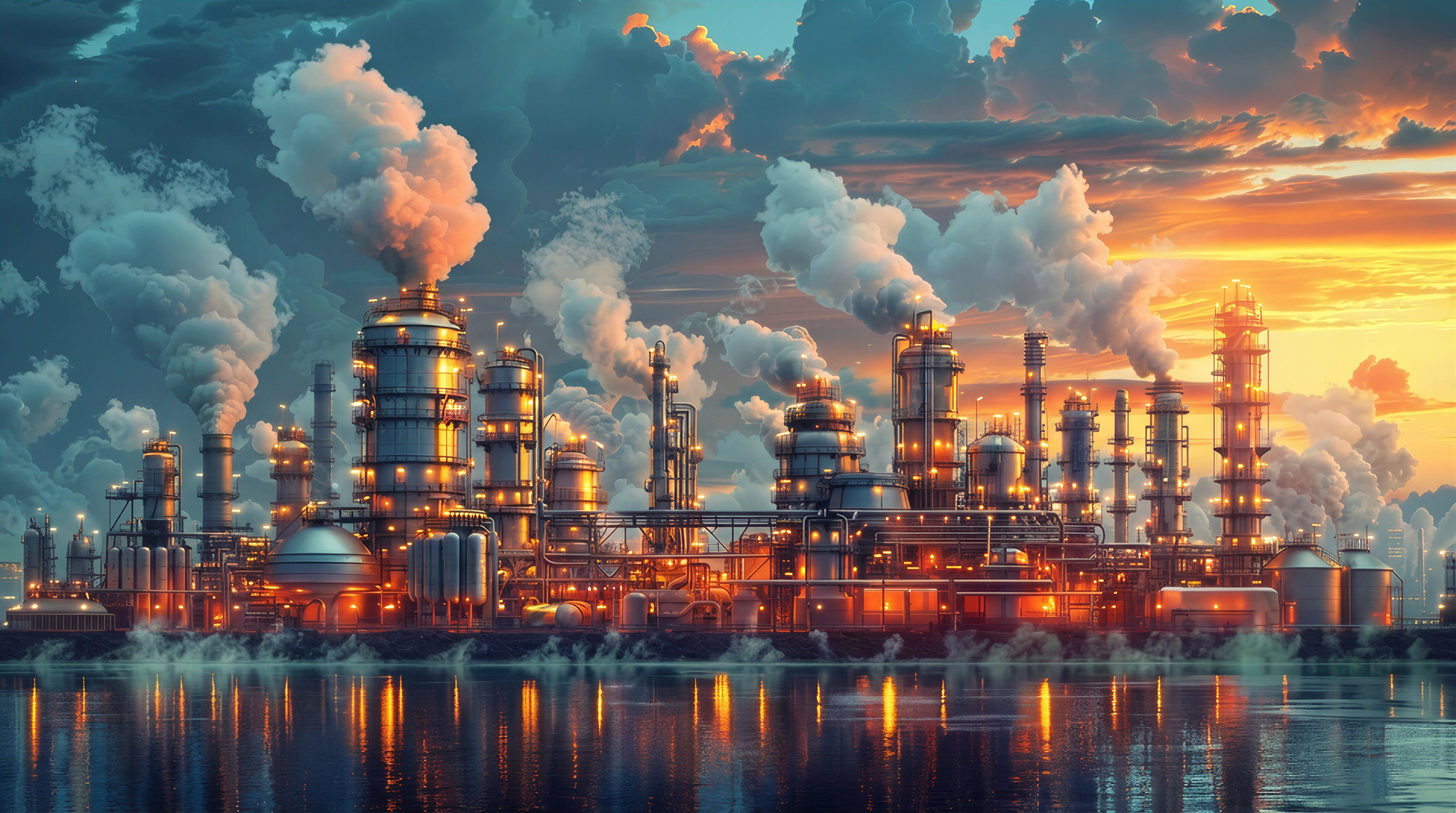
Human-made or anthropogenic ecosystems are created by human activities such as agriculture, urbanization, and deforestation. These ecosystems often have a simplified structure and lower biodiversity than natural ecosystems, but they can still support a range of plant and animal species.
Comparison of Ecosystem Types
Terrestrial ecosystems exist on land and are influenced by climate and soil.
Aquatic ecosystems are water-based and depend on factors such as depth and salinity.
Human-made ecosystems are created and maintained by humans and usually have lower biodiversity.