Introduction
Urban ecosystems are complex and diverse environments that exist in and around cities. They can include everything from parks and gardens to the buildings and streets themselves. While urbanization can have negative impacts on the environment, urban ecosystems also provide important benefits to human health and well-being.
Urban Parks
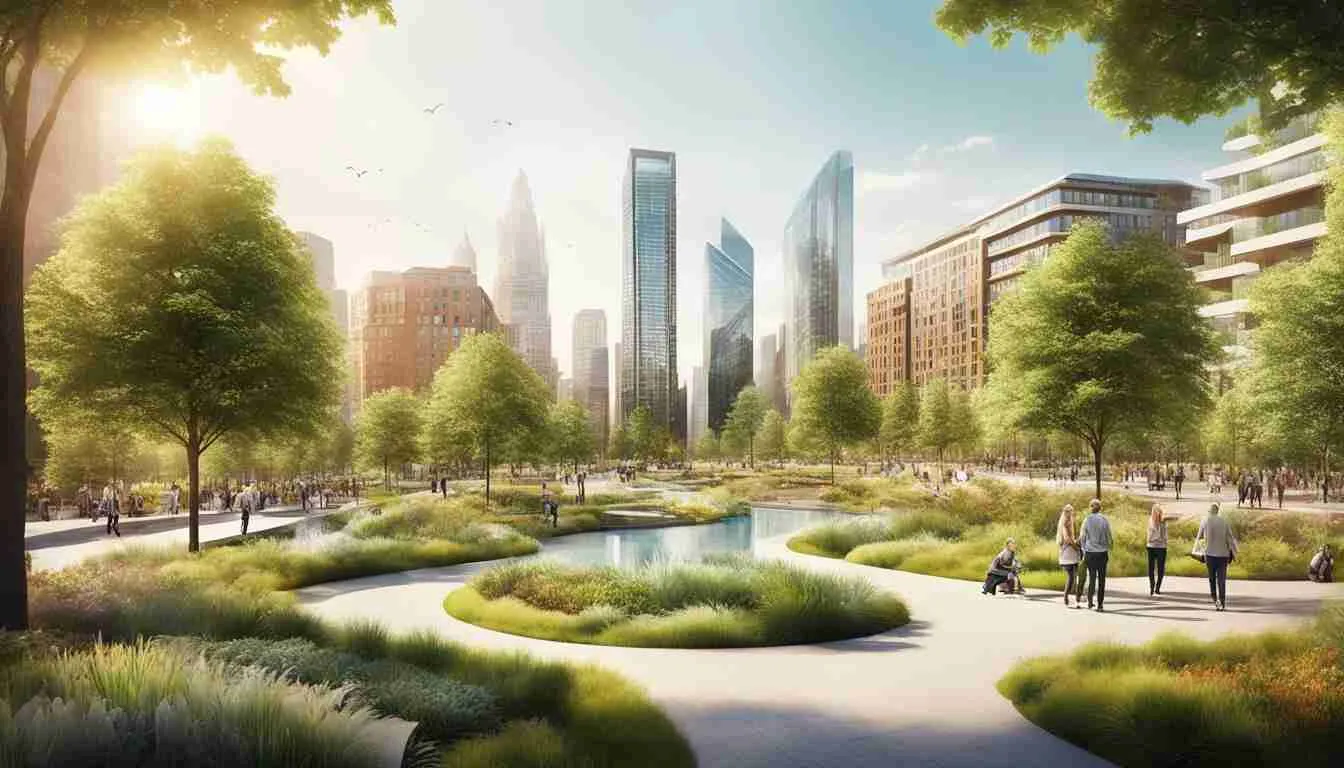
Urban parks are important components of urban ecosystems, providing green spaces for recreation and relaxation. They can also serve as habitats for a variety of plant and animal species, including birds and insects. Many cities are working to expand and improve their park systems in order to provide more green space and improve the health of their residents.
Green Infrastructure
Green infrastructure refers to the natural and semi-natural systems that help to manage stormwater, reduce air pollution, and provide other environmental benefits in urban areas. This can include things like green roofs, rain gardens, and urban forests. Green infrastructure is becoming increasingly important as cities look for ways to become more sustainable and resilient.
Wildlife in the City
Despite the concrete and steel of urban areas, many species of wildlife can still be found in cities. Birds, squirrels, and other small mammals are common sights, and some cities even have populations of larger animals like coyotes and deer. Urban wildlife can provide important ecosystem services, such as pollination and pest control.
Challenges
Urban ecosystems face a number of challenges, including pollution, habitat loss, and climate change. Cities must work to manage their resources sustainably and protect the health of their residents and the environment. This can involve everything from reducing energy use and promoting public transportation to creating green spaces and protecting wildlife habitat.
Community Involvement
Community involvement is essential for the success of urban ecosystem initiatives. Residents can play an important role in protecting and enhancing urban ecosystems by participating in community gardens, volunteering for park clean-up events, and advocating for sustainable policies. By working together, communities can create healthier and more livable urban environments.
Future Directions
As cities continue to grow and change, urban ecosystems will play an increasingly important role in shaping the health and well-being of their residents. Future efforts to protect and enhance urban ecosystems may include everything from expanding green infrastructure to promoting sustainable transportation and reducing pollution. By working together, cities can create more livable and sustainable environments for all.
Conclusion
Urban ecosystems are complex and dynamic environments that provide important benefits to human health and well-being. By working to protect and enhance these ecosystems, cities can become more sustainable and resilient, while also improving the quality of life for their residents.